Start with cash flow
Buying uses more cash at the start. Leasing spreads the cost across a defined term, which can leave working capital available for payroll, inventory, fuel, repairs, and the next opportunity.
That does not make leasing automatically better. If your business has excess cash and expects to keep an asset for a long time, ownership may fit. The point is to compare the real effect on the business, not just the sticker price.
Match the term to the useful life
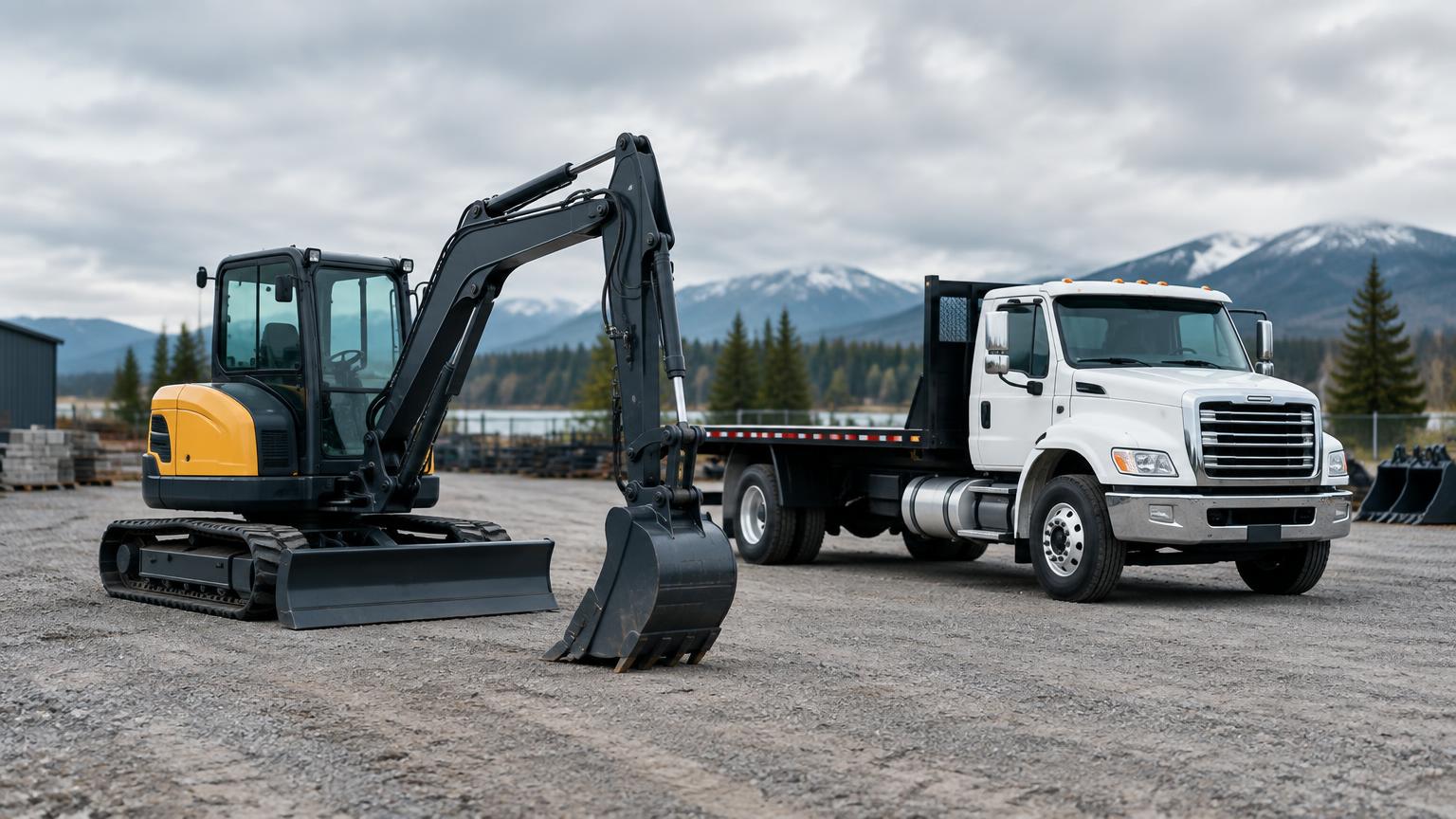
A financing term should make sense for the equipment. Productive life, expected annual use, resale value, and replacement timing all matter. A short-lived technology purchase should not be treated like a long-life trailer or excavator.
Know what flexibility is worth
Leasing can make planned replacement easier and may preserve other borrowing capacity. Buying gives you direct ownership and control over when to sell. Neither advantage is free, so ask for the full cost and the end-of-term obligations in writing.
Compare clean numbers
Compare the amount financed, payment schedule, fees, purchase options, and total payments. A low monthly payment can hide a longer term or a larger amount due later. We do not take commissions, so the recommendation follows your business instead of a broker payout.